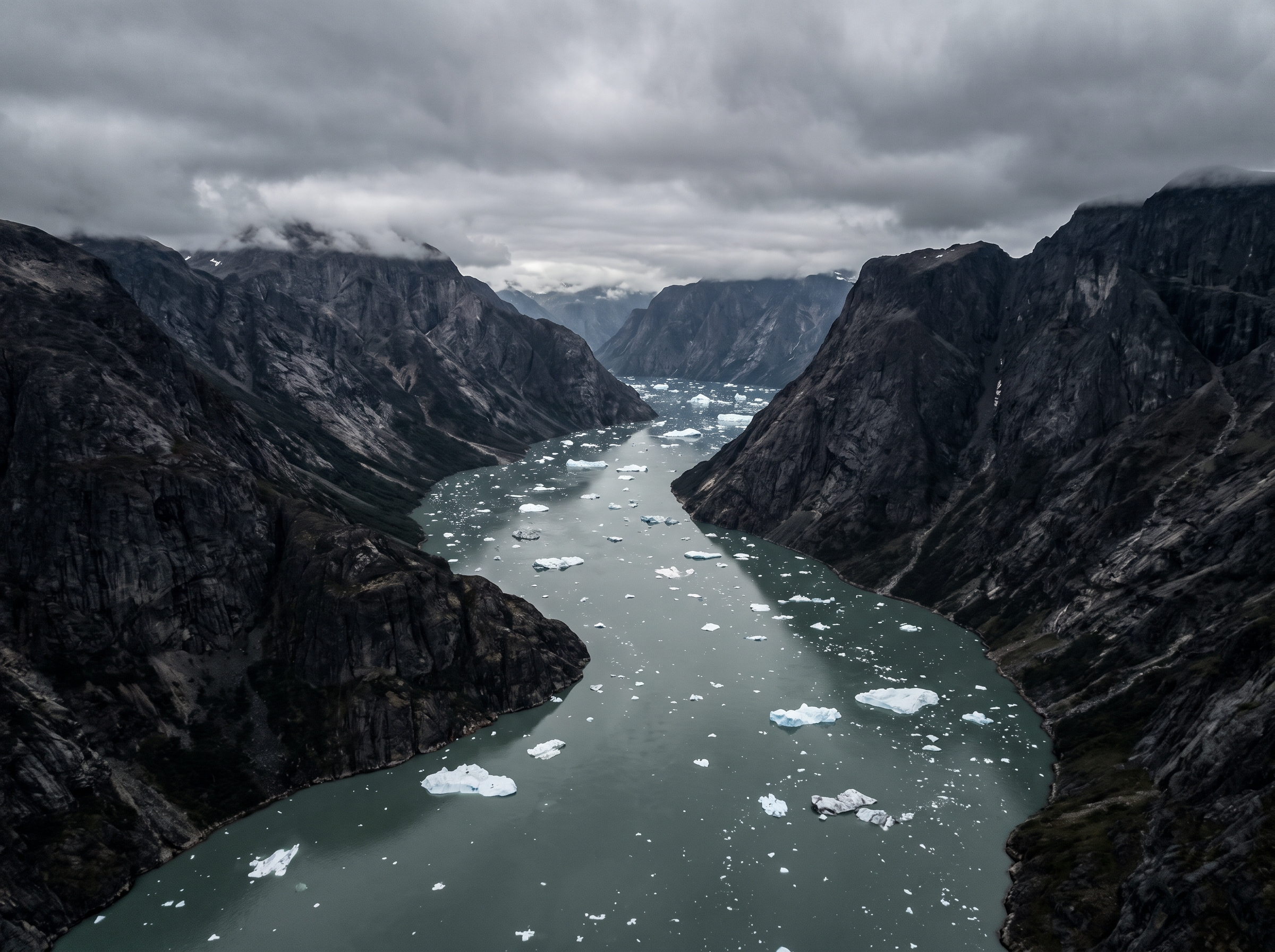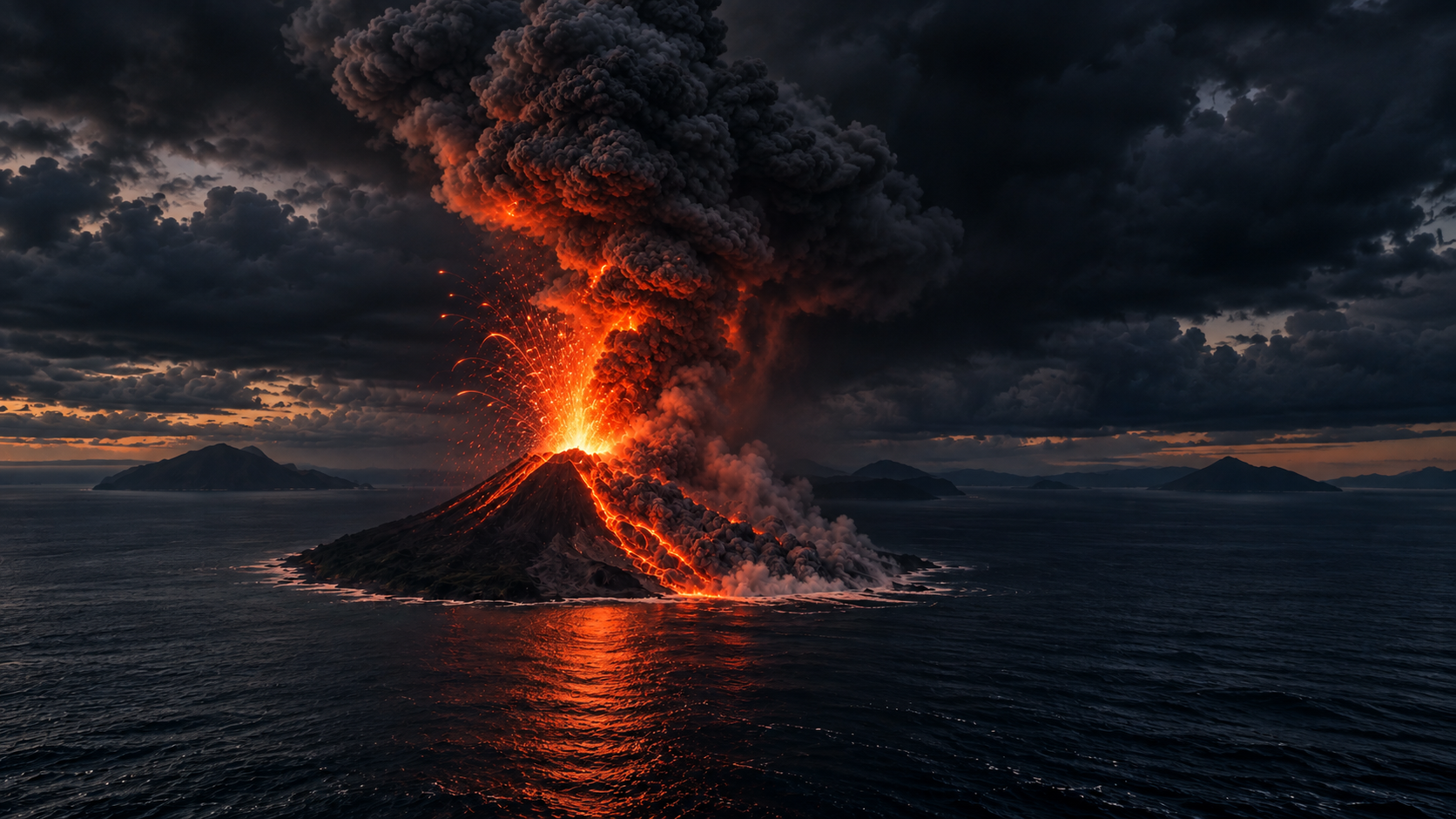
For Eighteen Months the Sun Gave Light Without Heat
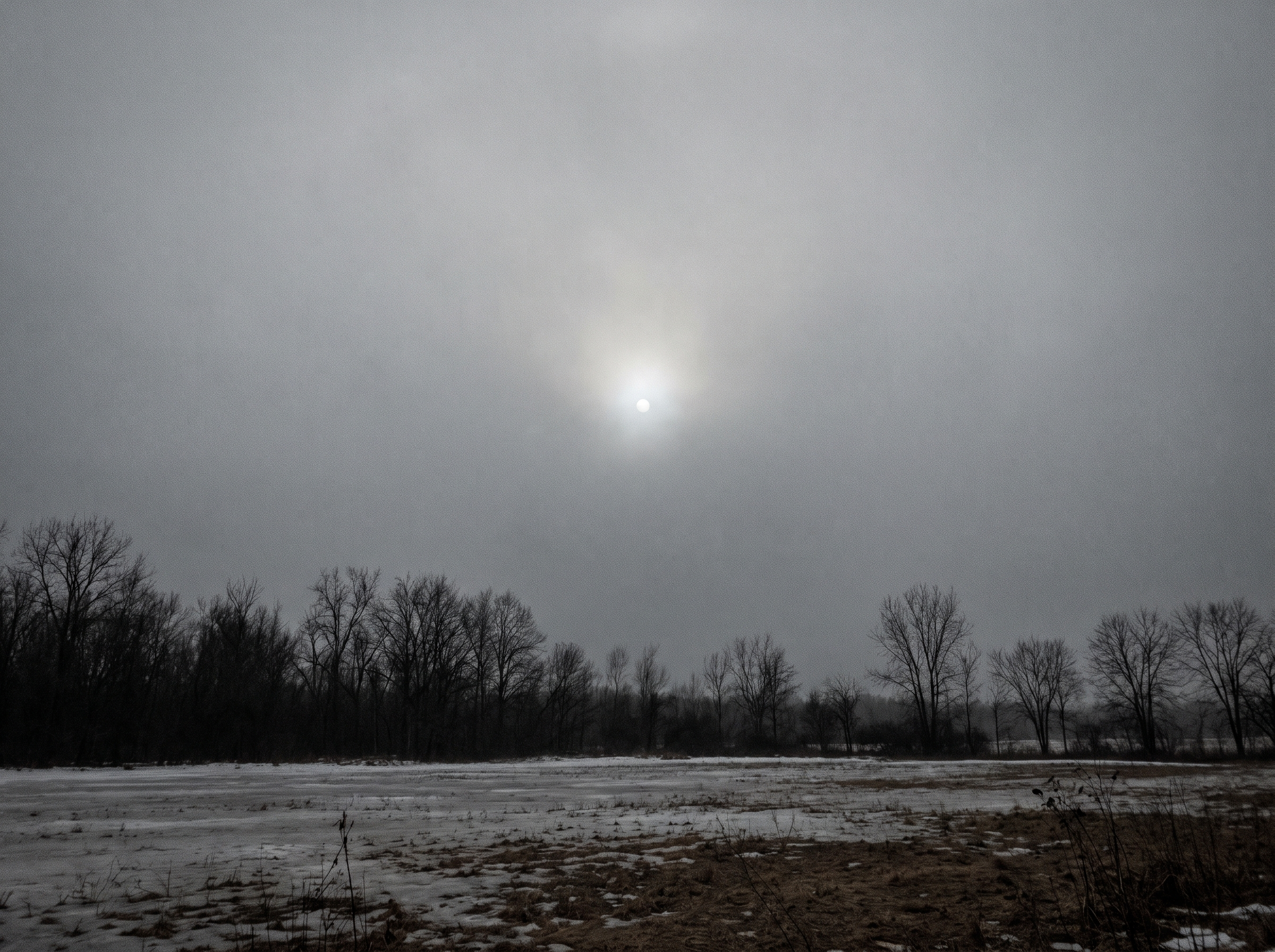
AI-generated illustration
In 536 a fog dimmed the sun across Europe and Asia for a year and a half, and crops failed. The culprit was found fifteen centuries later, in a Swiss glacier.
This article contains affiliate links. If you buy through them, we may earn a small commission at no extra cost to you.
Ask Michael McCormick, who chairs Harvard's Initiative for the Science of the Human Past, which year was the worst to be alive, and he does not say 1349, when the Black Death took perhaps half of Europe. He does not say 1918, when influenza killed somewhere between 50 and 100 million people.
He says 536.
What people saw
A fog settled over Europe, the Middle East and parts of Asia and did not lift for eighteen months. It dimmed both day and night.
The Byzantine historian Procopius left the description everyone quotes: the sun gave its light without brightness, like the moon, through the whole year. He wrote that it seemed as though the sun were permanently in eclipse, and that through this period people were free from neither war nor pestilence nor any other thing that leads to death.
Summer temperatures across the northern hemisphere fell by 1.5 to 2.5°C. That does not sound like much until you attach it to a growing season. Snow fell in China that summer. Crops failed. People starved. The decade that followed was the coldest in 2,300 years.
What nobody could explain
Something had put a veil between the Earth and the sun, and the written record does not say what.
That is not because nobody was writing. It is because the cause was thousands of kilometres from anyone who could describe it, and the people affected had no framework that would connect a distant eruption to a dim sky over Constantinople.
The first real clue came from wood. Tree-ring studies in the 1990s showed that the summers around 540 were abnormally cold across wide regions. Rings are an annual record, so this narrowed the timing, but it identified an effect, not a cause.
Reading the ice
The second clue came from ice cores.
Enjoying this story?
Get a short teaser by email whenever we publish something new. No spam.
When a volcano erupts violently enough to reach the stratosphere, it injects sulphur and fine particles that circulate globally and then settle onto ice sheets. Drill a core, count the annual layers, and you have a dated record of eruptions going back millennia.
Michael Sigl, now at the University of Bern, led a team that matched the chemical signals in Greenland and Antarctic ice against tree-ring climate records. The result was stark: nearly every unusually cold summer in the past 2,500 years was preceded by a volcanic eruption. One enormous eruption stood out in late 535 or early 536. Another followed in 540.
Their initial suggestion for the location was North America.
The particle that settled it
The answer came from a Swiss glacier.
A team led by McCormick and glaciologist Paul Mayewski at the University of Maine ran an ultra-precise analysis of ice from the Colle Gnifetti core. In ice laid down in the spring of 536, graduate student Laura Hartman found two microscopic particles of volcanic glass.
Bombarding the shards with X-rays gave their chemical fingerprint. It closely matched glass particles already known from lakes and peat bogs in Europe and from a Greenland ice core, and those in turn matched volcanic rock from Iceland.
The team reported it at a Harvard workshop in 2018, published in *Antiquity*, and the conclusion was that a cataclysmic Icelandic eruption in early 536 spread ash across the northern hemisphere.
It was not one eruption but a sequence. Two more followed, in 540 and 547. The repeated blows, arriving alongside the plague of Justinian, pushed Europe into economic stagnation that the ice record shows lasting until about 640, when a spike in airborne lead marks the resumption of silver mining.
The caveat worth keeping
The Icelandic attribution is well-supported but not unanimous. Some researchers still place the 536 source at high latitude without committing to Iceland specifically, with Alaska raised as an alternative. What is not in dispute is the volcanic mechanism, the timing, or the scale of the climate response, which recent simulations reproduce with widespread cooling persisting until around 550.
The title of this piece is a compression and deserves correcting. Procopius did not write that the sun gave light without heat. He wrote that it gave light without brightness, like the moon. The heat is the measured part, from tree rings and ice, arriving fifteen centuries later.