A garden weed hid two cancer drugs
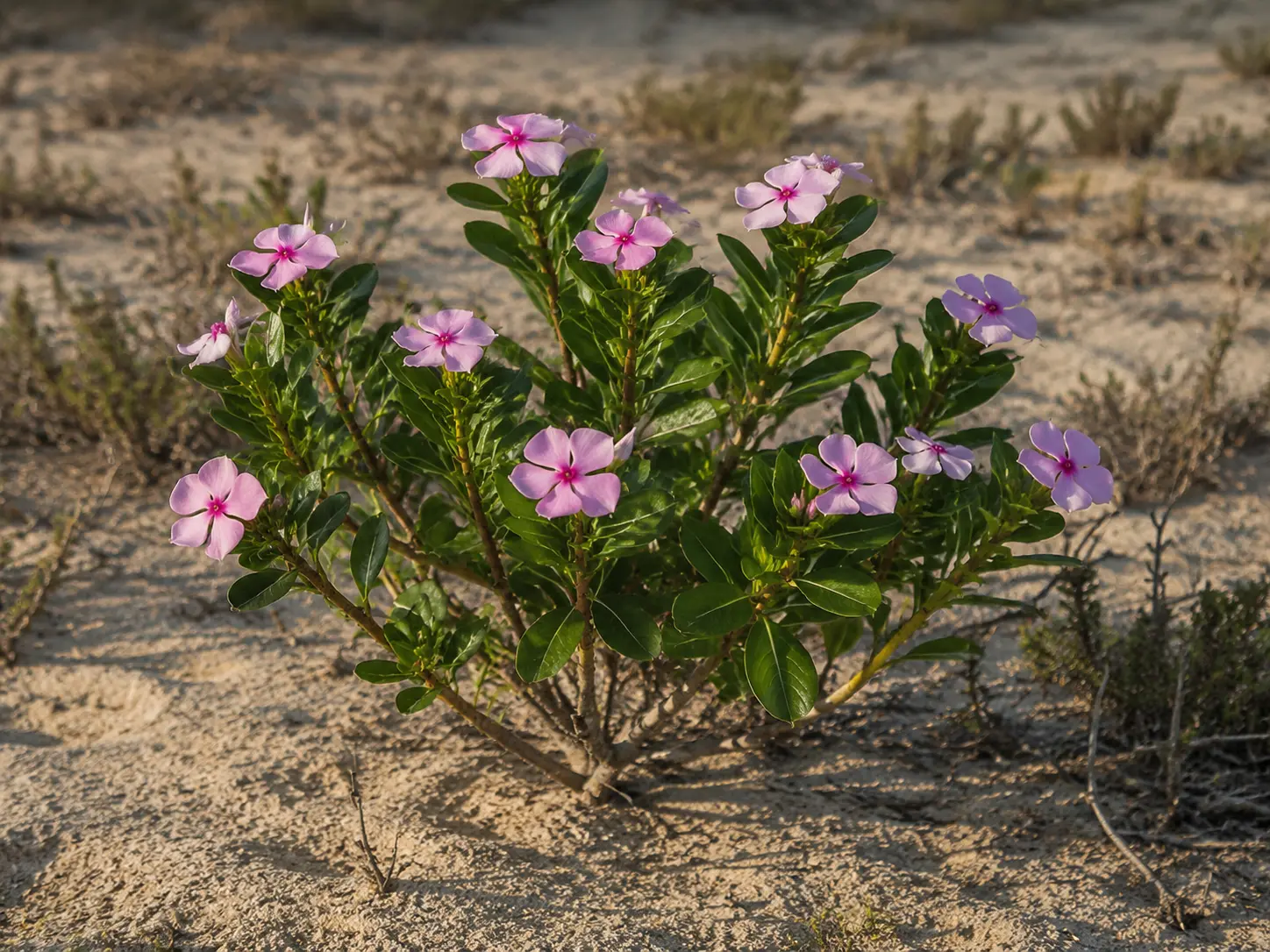
Illustration by Domi Verse X
Scientists went hunting for a diabetes treatment in a Madagascan flower and found something completely different.
This article contains affiliate links. If you buy through them, we may earn a small commission at no extra cost to you.
In the 1950s, two separate research groups, one at the drug company Eli Lilly and one at the University of Western Ontario in Canada, got interested in a pink-flowered plant from Madagascar. People in Jamaica and elsewhere used it in traditional medicine for diabetes, so the scientists gave extracts to lab mice and watched their blood sugar.
A useful failure
Blood sugar barely moved. But the John Innes Centre records that the mice's white blood cells crashed instead. Oxford University's plant profile says researcher Robert Noble was working from dried leaves posted to him from Jamaica when the same strange result appeared. In leukaemia, white blood cells multiply out of control, so a chemical that knocked them back was suddenly very interesting.
Chemists pulled two compounds out of the leaves: vinblastine and vincristine. They jam the tiny scaffolding a cell builds when it splits in two. Vincristine was approved in the United States in 1963 and doctors still use it, according to the National Cancer Institute.
Here is the part people get wrong. The medicines are purified chemicals, made and measured in a factory. The plant is not a medicine. Kew states plainly that all parts of it are toxic if eaten, and that the useful compounds only work once they have been isolated. Pulling a pure substance out of a messy natural mixture is the whole job, and a crystal growing kit is the kitchen table version of it.
Enjoying this story?
Get a short teaser by email whenever we publish something new. No spam.
One gram from half a tonne
The compounds are extraordinarily scarce inside the leaves. The John Innes Centre puts it at roughly 500 kg of dried leaves for a single gram of vinblastine, and an IntechOpen review gives the same figure of about half a tonne. So: a heap of dried leaves weighing about as much as a horse, to make a lump of drug weighing about as much as one paperclip. The leaves themselves are ordinary to look at, and a folding pocket magnifier shows you nothing that would hint at what is inside them.
Common here, uncertain at home
Survival for childhood acute lymphoblastic leukaemia in the United States rose from about 14 percent surviving five years in the 1960s, roughly 1 child in 7, to about 94 percent in the 2010s, more than 9 in 10, per Our World in Data. Vincristine is one ingredient in that change, not the whole of it.
The plant, meanwhile, sells cheaply in garden centres and grows as a weed across the tropics. Oxford describes it as endangered in the wild in Madagascar, though Kew notes it has never been formally assessed for the IUCN Red List. Nobody is quite sure how the wild population is doing. If the idea of one molecule redirecting history appeals to you, Napoleon's Buttons is built entirely out of stories like this one.
Sources
- Vinblastine and vincristine: life-saving drugs from a periwinkle | John Innes Centre
- Madagascar periwinkle | Kew
- Catharanthus roseus | Oxford University Plants 400
- Vincristine Sulfate | US National Cancer Institute
- Childhood leukemia: how a deadly cancer became treatable | Our World in Data
- Alkaloids of Pharmacological Importance in Catharanthus roseus | IntechOpen